Rohit Shetty Defends Salman Khan Against Creator-Led Trolling and Body Shaming
Profluence Intel Desk · September 22, 2026
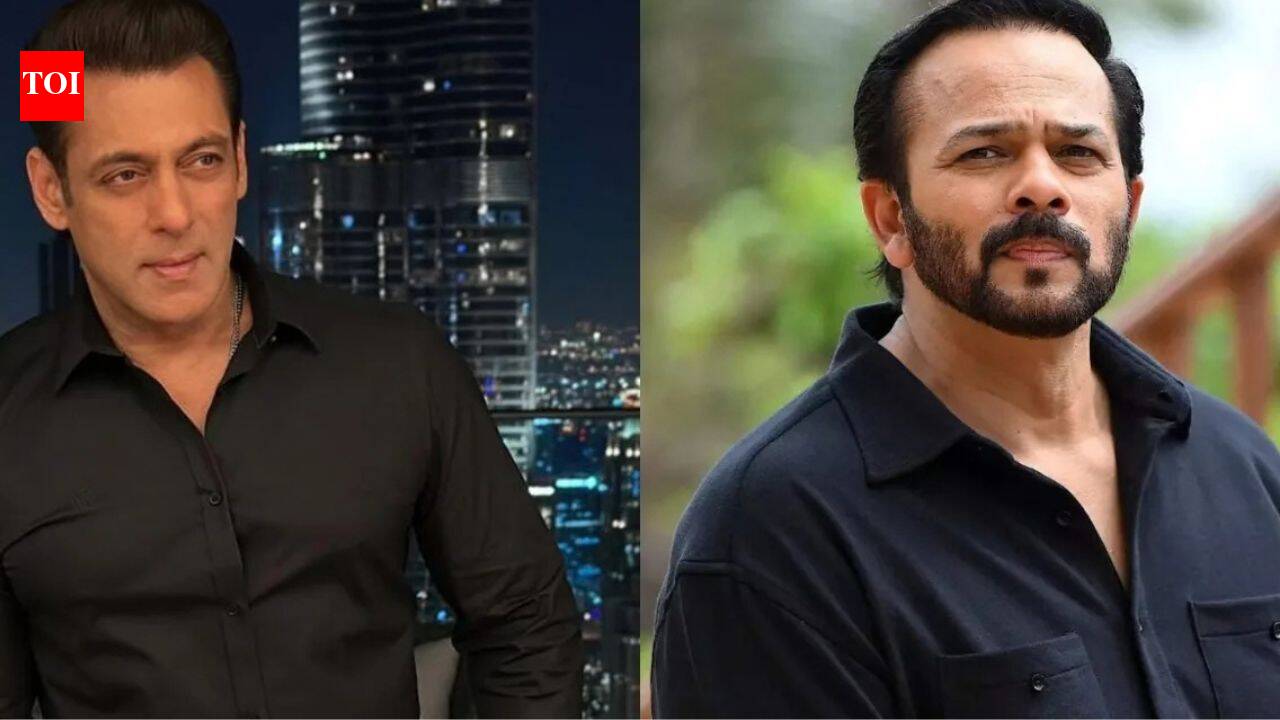
Filmmaker Rohit Shetty has publicly supported Salman Khan following the actor's recent confrontation with online critics and creators regarding ageist comments and privacy breaches.
Industry Pushback Against Digital Harassment
Filmmaker Rohit Shetty has publicly intervened in an ongoing conflict between actor Salman Khan and online critics. The dispute escalated following a recent episode of the reality television program Bigg Boss, where Khan addressed the volume of age-related insults and body-shaming directed at him by social media users. Shetty utilized his own digital platforms to share media demonstrating Khan's physical fitness, explicitly challenging those who have participated in the recent wave of online negativity.
This interaction highlights a growing tension between traditional entertainment figures and the digital creator ecosystem. Khan’s original remarks focused on the dehumanizing nature of constant digital surveillance and the specific impact of ageism within social media commentary. He argued that the anonymity of the internet has emboldened users to cross professional boundaries, particularly regarding personal appearance and physical aging.
The Role of Paparazzi and Social Commentary
The conflict also touches upon the relationship between celebrities and digital paparazzi. Khan highlighted the intrusive nature of modern content gathering, where every public movement is recorded and distributed for audience engagement. Shetty’s support serves as a high-profile defense of a celebrity's right to professional longevity without being subjected to defamatory digital trends.
This incident follows a pattern of veteran entertainment figures increasingly confronting the 'troll' culture that often drives engagement on video-sharing and micro-blogging platforms. By publicly countering the narrative, Shetty and Khan are attempting to shift the dialogue away from critical commentary on physical attributes toward a discussion on digital ethics and the boundaries of audience feedback.
Why it matters
For brands and creators, this tension illustrates the volatile nature of audience sentiment toward legacy public figures. As creators increasingly build content around criticizing celebrities, the pushback from major industry stakeholders signals a hardening stance against negative engagement tactics and highlights the reputational risks associated with participating in body-shaming or ageist digital trends.